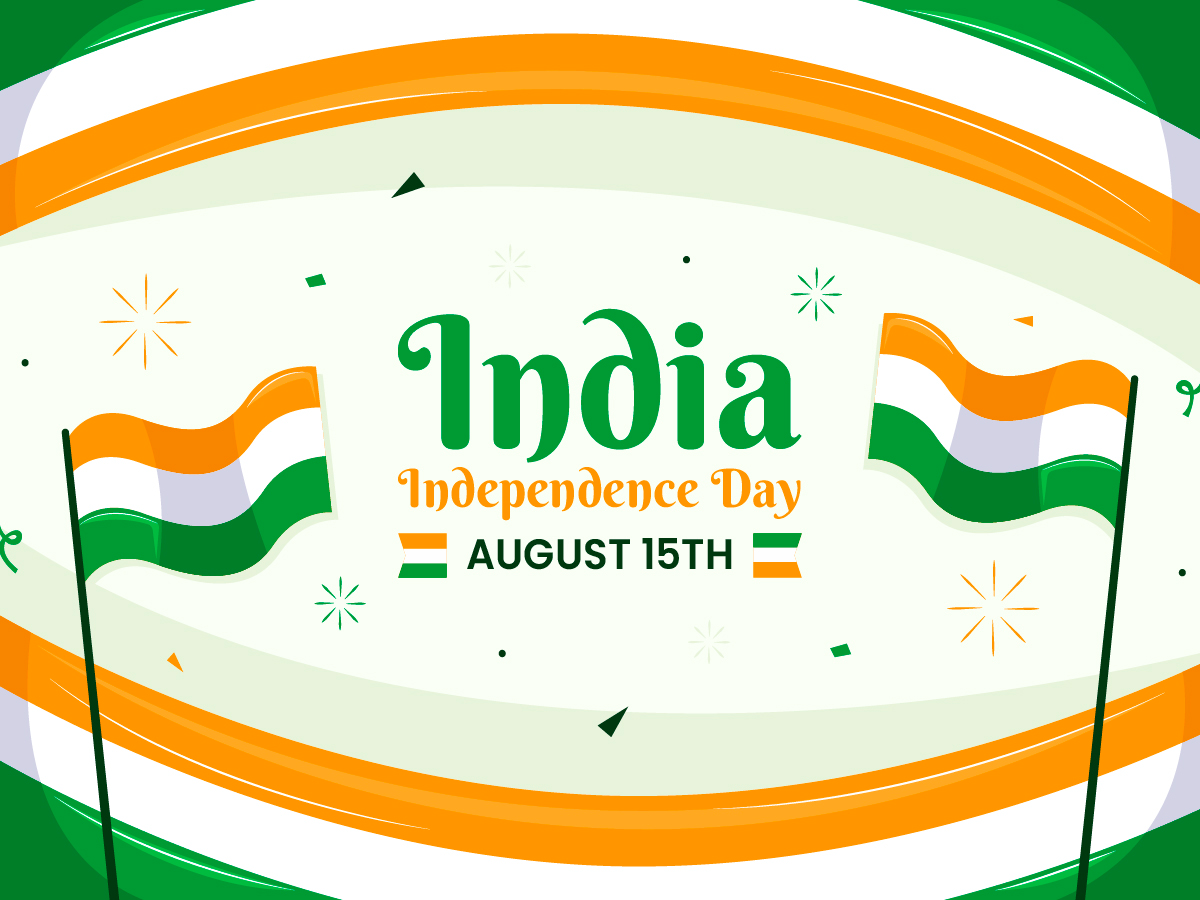

As India marks the 78th anniversary of its independence on August 15, 2024, it is a moment of profound reflection and commemoration. This significant day not only celebrates the end of colonial rule but also honors the resilience, sacrifices, and aspirations that have shaped the nation since 1947. As we look back on India’s journey over these seven decades, we acknowledge the triumphs, challenges, and the ongoing quest for a more inclusive, prosperous, and democratic society.
The Significance of Independence Day
Independence Day is one of the most important national holidays in India. It marks the day in 1947 when India finally emerged from the shadows of British colonialism, which had dominated the country for nearly two centuries. The long struggle for independence was characterized by a series of movements, both peaceful and militant, and the tireless efforts of leaders who envisioned a free and self-governing India.
The significance of this day extends beyond the historical event of gaining sovereignty. It serves as a reminder of the sacrifices made by countless freedom fighters, who, driven by a shared vision of a free nation, laid down their lives. This day is also a celebration of the rich diversity, unity, and democratic values that define the Indian Republic.
Independence Day is observed with immense patriotism across the country. The tricolor flag is hoisted in every corner of India, and the National Anthem is sung with reverence. The Prime Minister’s address to the nation from the ramparts of the Red Fort in Delhi is a highlight of the celebrations, where the country’s achievements and future goals are articulated. Various cultural programs, parades, and exhibitions are held, showcasing the country’s heritage, unity in diversity, and progress.
Reflections on India’s Journey Since 1947
Political Evolution and Democracy
India’s political evolution since 1947 has been remarkable. The adoption of the Constitution in 1950 laid the foundation for a sovereign, socialist, secular, and democratic republic. Over the decades, India has maintained its democratic ethos, despite facing numerous challenges, including political instability, insurgencies, and external threats. The world’s largest democracy has witnessed peaceful transitions of power through free and fair elections, a testament to the strength of its democratic institutions.
India’s democracy has evolved to include diverse voices from all sections of society. The role of women, marginalized communities, and regional political movements has expanded, contributing to a more inclusive political landscape. However, the journey has not been without challenges. Issues such as corruption, political polarization, and the need for electoral reforms remain areas of concern that require continuous attention.
Economic Growth and Development
India’s economic trajectory has undergone significant transformation since independence. From a largely agrarian economy in 1947, India has become one of the world’s largest and fastest-growing economies. The Green Revolution in the 1960s and 1970s brought about agricultural self-sufficiency, while the economic liberalization of the 1990s opened up new avenues for growth, leading to rapid industrialization, urbanization, and technological advancement.
India’s growth story is reflected in its expanding middle class, increasing literacy rates, and rising global stature in various sectors, including information technology, pharmaceuticals, and space exploration. The country’s entrepreneurial spirit has given rise to a vibrant startup ecosystem, positioning India as a global leader in innovation.
However, economic progress has been uneven. Disparities in income, regional development, and access to basic amenities persist. The challenge of inclusive growth—ensuring that the benefits of development reach all sections of society—remains a critical issue as India looks towards the future.
Social and Cultural Transformation
India’s social fabric has undergone profound changes since independence. The abolition of practices like untouchability, the promotion of education, and the empowerment of women have been key milestones in the country’s social evolution. India has made significant strides in improving healthcare, reducing poverty, and enhancing the quality of life for its citizens.
Culturally, India continues to celebrate its diversity. The nation’s cultural heritage, comprising various languages, religions, traditions, and art forms, remains a source of pride and unity. Indian cinema, music, literature, and art have gained global recognition, contributing to the country’s soft power.
Yet, social challenges persist. Issues such as caste-based discrimination, gender inequality, communal tensions, and environmental degradation pose significant hurdles. The ongoing efforts to address these challenges reflect India’s commitment to building a more equitable and just society.
International Relations and Global Stature
India’s foreign policy since independence has been guided by the principles of non-alignment, peaceful coexistence, and mutual respect. Over the years, India has emerged as a key player on the global stage, advocating for multilateralism, climate change mitigation, and regional stability. The country’s growing economic clout, strategic partnerships, and active participation in international organizations reflect its aspirations for a greater role in global governance.
India’s relations with its neighbors, particularly Pakistan and China, have been complex and often tense. Despite these challenges, India has consistently sought to maintain peace and stability in the region while advancing its national interests. The country’s engagement with global powers, including the United States, Russia, and the European Union, has strengthened its position as a major global actor.
The Road Ahead: Aspirations for the Future
As India celebrates 78 years of independence, the nation stands at a crossroads. The journey so far has been one of significant achievements and enduring challenges. The aspirations of a billion people continue to drive the country’s progress, as India seeks to build a future marked by economic prosperity, social justice, and environmental sustainability.
The coming decades will require India to navigate complex global challenges, including technological disruptions, climate change, and shifting geopolitical dynamics. At the same time, addressing domestic issues such as poverty, inequality, and governance will be crucial for the nation’s continued growth and stability.
India’s commitment to its democratic ideals, cultural richness, and spirit of innovation will be key to realizing the vision of a developed and inclusive nation. As we reflect on the journey since 1947, it is clear that the story of India’s freedom is still being written, with new chapters of hope, resilience, and progress yet to unfold.
Conclusion
Independence Day is not just a day of celebration; it is an occasion for introspection and renewal of the commitment to the ideals that guided the freedom struggle. As we commemorate 78 years of independence, we honor the past, celebrate the present, and look forward to a future that holds immense promise. India’s journey since 1947 has been remarkable, but the road ahead demands continued dedication to building a nation that truly embodies the spirit of freedom, equality, and justice for all.