
Ganesh Chaturthi, also known as Vinayaka Chaturthi, is one of the most revered festivals in India, celebrated with immense devotion and grandeur. It marks the birth of Lord Ganesha, the elephant-headed god of wisdom, prosperity, and good fortune. This festival holds a profound significance in the cultural and religious fabric of India, embodying the spirit of new beginnings and the removal of obstacles.
The Significance of Ganesh Chaturthi
Ganesh Chaturthi is celebrated on the fourth day of the Hindu lunar month of Bhadrapada, which typically falls in August or September. The festival spans ten days, culminating on Anant Chaturdashi, when the idols of Lord Ganesha are immersed in water bodies in a ritual known as Visarjan.
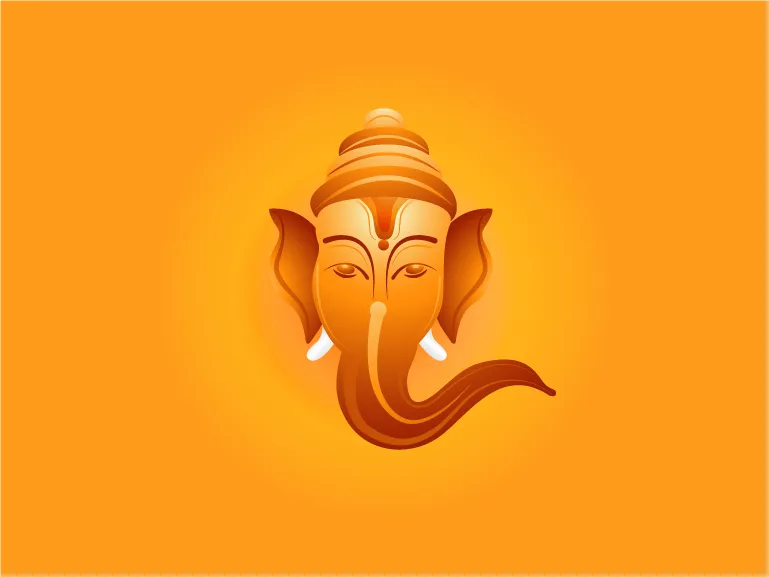
Lord Ganesha, revered as the remover of obstacles (Vighnaharta) and the god of new beginnings, is invoked before the commencement of any significant venture, be it a business, marriage, or other auspicious occasions. He is also the patron of intellectuals, bankers, and scribes. His elephant head symbolizes wisdom, and his large ears signify a patient listener who absorbs the prayers of his devotees. The small eyes reflect concentration, and his large belly signifies the capacity to digest all good and bad experiences in life.
The celebration of Ganesh Chaturthi is a manifestation of these virtues, reminding devotees of the importance of wisdom, humility, and perseverance. It is believed that during this time, Lord Ganesha visits the Earth to bless his devotees with wisdom, prosperity, and good fortune.
Why We Celebrate Ganesh Chaturthi
The origins of Ganesh Chaturthi can be traced back to the Maratha ruler Chhatrapati Shivaji Maharaj, who initiated the public celebration of the festival to promote culture and nationalism. However, it was Lokmanya Bal Gangadhar Tilak, a freedom fighter and social reformer, who popularized the festival as a public event in the late 19th century to unite Indians against British colonial rule. He saw in Ganesh Chaturthi the potential to bridge gaps across caste and class lines, making it a festival for all.
Ganesh Chaturthi is celebrated with fervor across India, especially in the states of Maharashtra, Karnataka, Tamil Nadu, Andhra Pradesh, and Goa. The festival begins with the installation of elaborately crafted idols of Lord Ganesha in homes and public pandals (temporary structures). The idol is worshiped with offerings of flowers, sweets, particularly Modaks, which are considered to be Lord Ganesha’s favorite, and prayers. Devotees perform various rituals, sing devotional songs, and conduct aartis (rituals of worship) daily.
On the final day, a grand procession is carried out, accompanied by music, dance, and chants of “Ganpati Bappa Morya.” The immersion of the idol in water symbolizes the cycle of birth, life, and death, and the belief that Lord Ganesha returns to his heavenly abode, taking with him the misfortunes of his devotees.
The Cultural Impact and Modern-Day Celebrations
Over time, Ganesh Chaturthi has evolved from a religious festival to a grand cultural event, with the involvement of communities across India and the world. It fosters a sense of unity, as people from all walks of life come together to celebrate. The festival also highlights the importance of eco-consciousness, with many opting for eco-friendly idols made of clay instead of Plaster of Paris, which is harmful to water bodies.
The celebration of Ganesh Chaturthi is not just a religious event but also a significant cultural and social phenomenon. It underscores the importance of community, the continuity of tradition, and the expression of faith in the divine. The festival serves as a reminder that wisdom and humility are essential for overcoming life’s challenges and that prosperity is not merely a material pursuit but also a spiritual one.
Conclusion
Ganesh Chaturthi is a celebration that goes beyond the mere observance of religious rituals. It embodies the essence of new beginnings, the triumph of good over evil, and the importance of wisdom, humility, and unity. As we celebrate this festival, we are reminded of the values that Lord Ganesha represents and the blessings he bestows upon his devotees. The festival continues to inspire and unite people, making it one of the most cherished and significant celebrations in the Indian cultural calendar.