
Raksha Bandhan, often abbreviated as Rakhi, is a prominent Hindu festival celebrated with great enthusiasm across India and in various parts of the world where the Indian diaspora resides. The festival, observed on the full moon day of the Hindu lunar month of Shravana, which typically falls in August, is dedicated to the sacred bond between brothers and sisters.
Historical and Mythological Significance
The origins of Raksha Bandhan are deeply rooted in Indian mythology and history. One of the most popular legends associated with Raksha Bandhan is the story of Rani Karnavati and Emperor Humayun. According to the tale, in the 16th century, Rani Karnavati of Mewar, facing the threat of invasion, sent a Rakhi to Emperor Humayun, who was then ruling the Mughal Empire. Moved by her gesture, Humayun came to her aid, thus preserving her kingdom. This story highlights the festival’s essence of protection and mutual support.
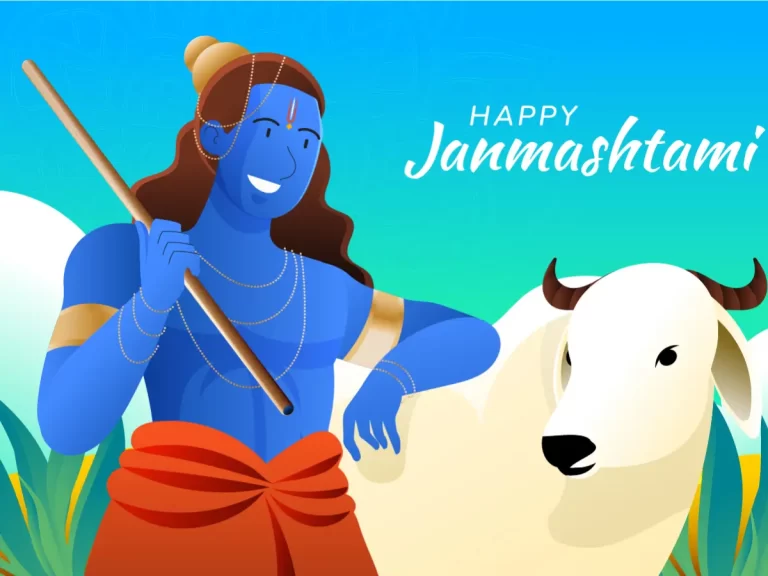
Another legend involves the deity Krishna and his sister Subhadra. It is said that after an incident where Krishna’s finger was cut, Subhadra, his sister, tied a Rakhi on his wrist to protect him from harm. This act of tying the Rakhi is symbolic of the sister’s prayers for her brother’s safety and well-being.
Rituals and Celebrations
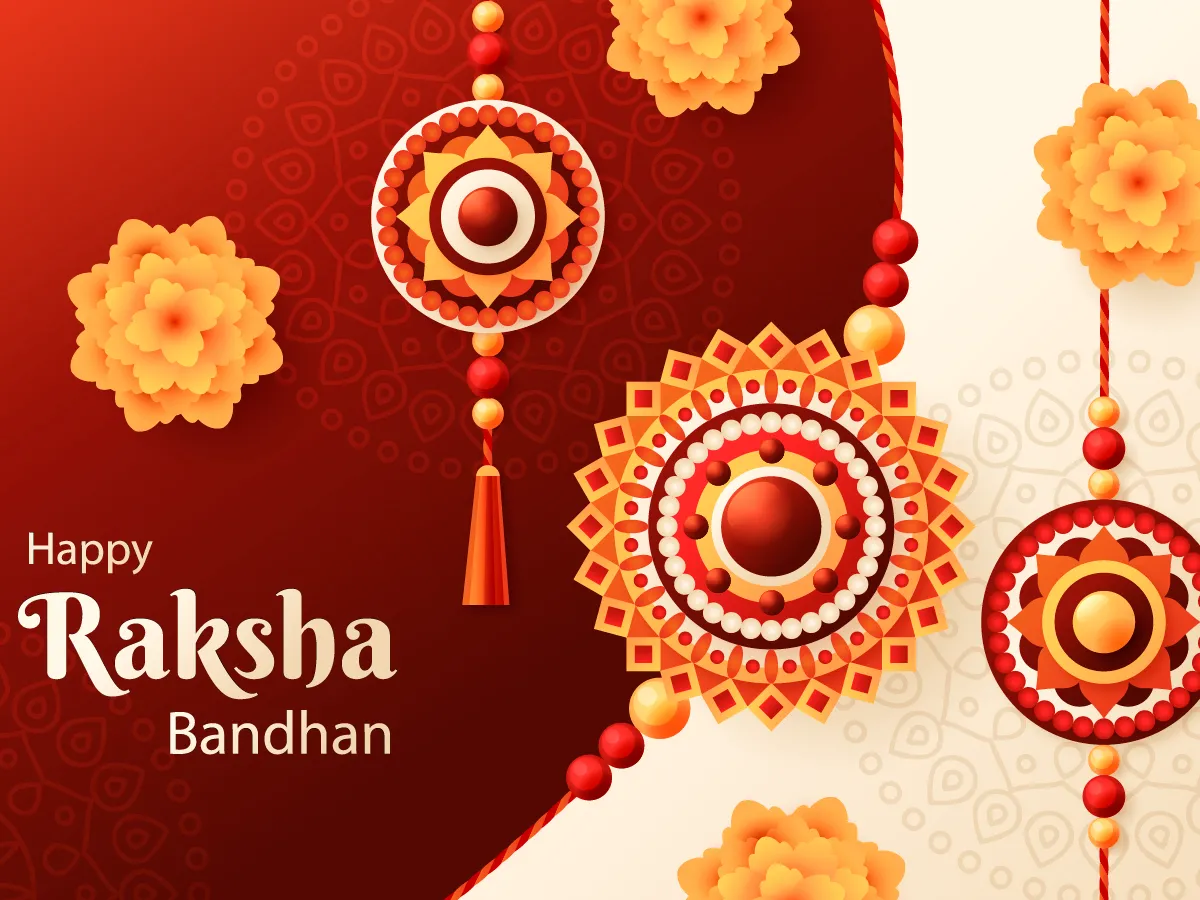
The celebration of Raksha Bandhan is marked by a series of traditional rituals. The central custom involves the sister tying a Rakhi (a decorative thread) around her brother’s wrist, which signifies her wish for his well-being and happiness. In return, the brother vows to protect his sister from all adversities and offers gifts or tokens of appreciation.
The Rakhi itself is often adorned with intricate designs, including beads, stones, and threads, symbolizing the uniqueness of the bond between siblings. It is typically accompanied by a ceremony involving the application of a red paste (Rakhi Tilak) on the brother’s forehead, and the sharing of sweets and festive meals.
Family gatherings play a crucial role in Raksha Bandhan celebrations. Relatives and friends come together to commemorate the occasion, strengthening familial bonds and reinforcing the values of love and respect. The festival not only celebrates the relationship between siblings but also emphasizes the broader concept of family unity and support.
Modern-Day Celebrations
In contemporary times, Raksha Bandhan transcends its traditional boundaries. While the core rituals remain unchanged, the festival has adapted to modern lifestyles. For instance, siblings who live far apart often send Rakhi through mail or online platforms, and virtual celebrations have become increasingly common. Additionally, the festival has evolved to include celebrations among cousins and close friends, further broadening its scope.
Retailers and artisans have also capitalized on the festival, offering a diverse range of Rakhi designs and gift options, catering to the evolving preferences of consumers. This commercialization reflects the festival’s enduring popularity and the continued significance it holds in contemporary society.
Significance of Raksha Bandhan
Raksha Bandhan serves as a poignant reminder of the values of protection, loyalty, and familial love. It underscores the importance of the brother-sister relationship, symbolizing a promise of mutual care and respect. Beyond its religious and cultural dimensions, the festival fosters a sense of unity and belonging among families and communities.
In an era where familial bonds are increasingly challenged by modern life’s demands, Raksha Bandhan offers a moment of reflection and celebration. It reaffirms the significance of maintaining strong family connections and cherishing the special relationships that define our lives.