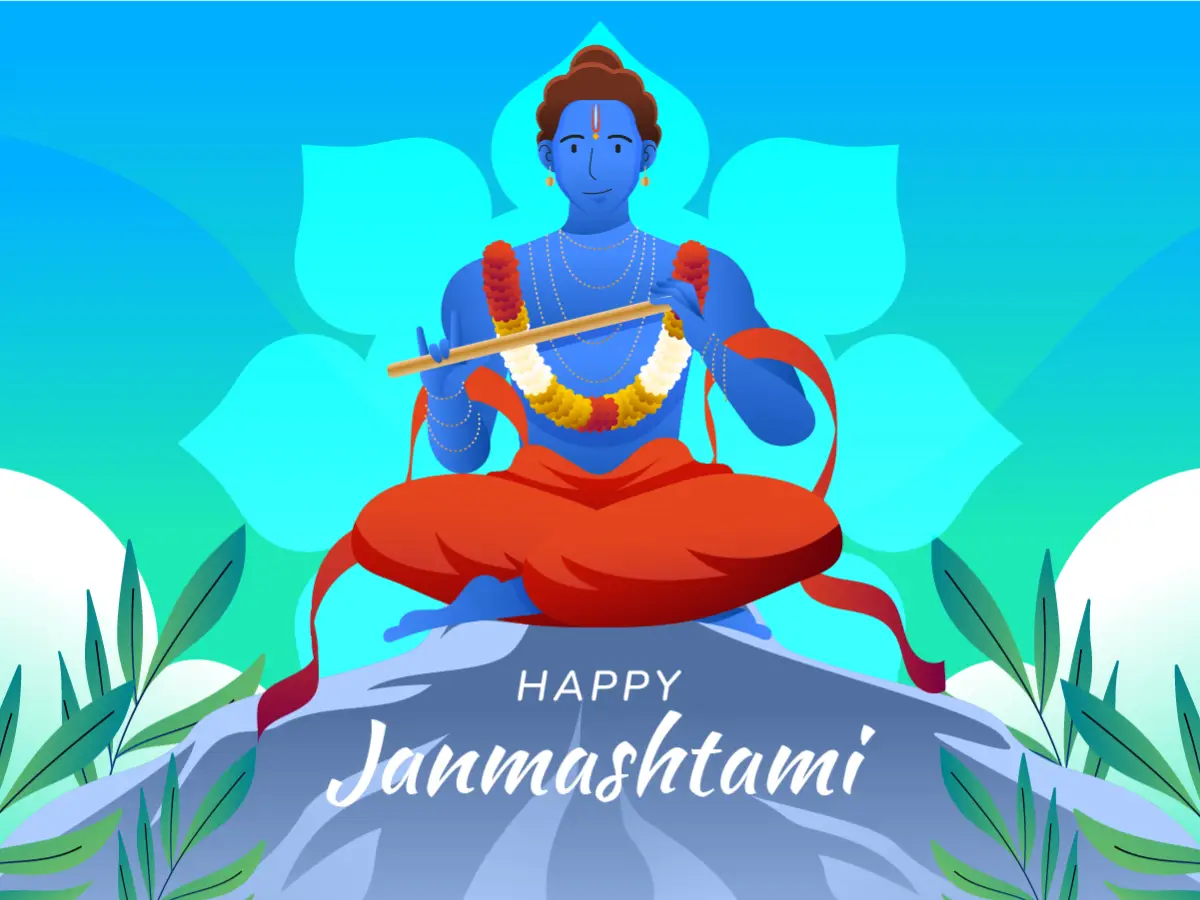

Krishna Janmashtami, one of the most celebrated festivals in the Hindu tradition, commemorates the birth of Lord Krishna, the eighth avatar of Lord Vishnu. This auspicious occasion is not only a celebration of Krishna’s divine presence but also an opportunity to delve into the profound wisdom he imparted through the Bhagavad Gita. The Bhagavad Gita, a timeless spiritual classic, serves as a guide to life, offering deep insights into the nature of existence, duty, and the path to spiritual liberation. This article explores the significance of Krishna Janmashtami through the lens of the Bhagavad Gita, examining the teachings that continue to inspire and guide millions of people around the world.
The Significance of Krishna Janmashtami
Krishna Janmashtami is celebrated on the eighth day (Ashtami) of the Krishna Paksha (dark fortnight) in the month of Bhadrapada, according to the Hindu calendar. This festival marks the birth of Lord Krishna, who is believed to have descended on Earth to restore Dharma (righteousness) and vanquish evil. Krishna’s life and teachings are integral to the spiritual and cultural fabric of India, making Janmashtami a celebration of divine love, wisdom, and devotion.
The festival is observed with great fervor and devotion, with rituals that include fasting, singing devotional hymns, and reenacting scenes from Krishna’s life, known as Ras Lila. The celebration reaches its zenith at midnight, believed to be the time of Krishna’s birth, with prayers and offerings made to the deity. This moment is symbolic of the arrival of divine light in the midst of darkness, representing the victory of good over evil and the restoration of cosmic order.
The Bhagavad Gita: A Spiritual Masterpiece
The Bhagavad Gita, often referred to simply as the Gita, is one of the most revered texts in Hindu philosophy. Comprising 700 verses, it is part of the Mahabharata, an epic narrative of the Kurukshetra War. The Gita takes the form of a dialogue between Prince Arjuna and Lord Krishna, who serves as his charioteer. Faced with the moral dilemma of going to battle against his own kinsmen, Arjuna is torn between his duty as a warrior and his love for his family. In response, Krishna imparts profound spiritual teachings that address the nature of life, duty, and the path to liberation.
1. The Concept of Dharma: One of the central themes of the Bhagavad Gita is the concept of Dharma, or righteous duty. Krishna teaches Arjuna that every individual has a specific role and duty in life, which must be fulfilled without attachment to the results. This idea is encapsulated in the verse, “Karmanye vadhikaraste, Ma phaleshu kadachana” (You have the right to perform your prescribed duties, but you are not entitled to the fruits of your actions). This teaching emphasizes the importance of selfless action and the need to perform one’s duties with dedication and detachment.
2. The Nature of the Self: Another key teaching of the Gita is the understanding of the self as eternal and beyond physical existence. Krishna explains that the soul (Atman) is immortal and is neither born nor does it die. This knowledge is crucial for understanding the transient nature of the physical world and the importance of focusing on the eternal reality of the self. The Gita teaches that realizing the true nature of the self leads to liberation from the cycle of birth and death (Samsara).
3. The Path to Liberation: The Bhagavad Gita outlines several paths to spiritual liberation, known as Yogas. These include Karma Yoga (the path of selfless action), Bhakti Yoga (the path of devotion), Jnana Yoga (the path of knowledge), and Dhyana Yoga (the path of meditation). Krishna emphasizes that these paths are not mutually exclusive but can be integrated into one’s spiritual practice, depending on one’s temperament and inclinations. The ultimate goal is to achieve union with the divine, transcending the limitations of the material world.
4. The Vision of the Universal Form: One of the most profound moments in the Bhagavad Gita is the revelation of Krishna’s universal form (Vishvarupa) to Arjuna. In this form, Krishna displays his divine nature as the source of all creation, encompassing both the terrifying and the benevolent aspects of existence. This vision underscores the idea that the divine is both immanent and transcendent, present in all things yet beyond all comprehension. It serves as a reminder of the vastness and mystery of the divine, encouraging humility and reverence in the spiritual seeker.
The Relevance of the Bhagavad Gita in Modern Life
The teachings of the Bhagavad Gita are as relevant today as they were thousands of years ago. In a world characterized by constant change and uncertainty, the Gita offers timeless wisdom on how to live a balanced and purposeful life. The concept of Dharma provides a framework for ethical decision-making, while the emphasis on selfless action encourages individuals to contribute positively to society without becoming entangled in personal desires or outcomes.
1. Coping with Challenges: The Gita’s teachings on detachment and self-control are particularly valuable in today’s fast-paced world, where stress and anxiety are prevalent. Krishna’s advice to focus on the process rather than the results helps individuals to cope with challenges and setbacks, fostering resilience and inner peace.
2. The Pursuit of Knowledge and Wisdom: The Gita encourages the pursuit of knowledge, not just in the academic sense but in the deeper understanding of the self and the universe. This pursuit of wisdom leads to self-realization, which is the ultimate goal of human life according to Hindu philosophy.
3. The Importance of Devotion: In a world where material success is often prioritized over spiritual fulfillment, the Gita’s teachings on Bhakti Yoga remind us of the importance of devotion and surrender to the divine. This path offers a way to connect with something greater than oneself, providing a sense of purpose and inner fulfillment.
The Celebration of Krishna Janmashtami Through the Bhagavad Gita
Krishna Janmashtami is not just a celebration of the birth of a divine being but also a celebration of the timeless wisdom embodied in the Bhagavad Gita. On this day, devotees reflect on the teachings of Krishna, seeking to apply the principles of Dharma, selfless action, and devotion in their own lives. The rituals and prayers performed during Janmashtami are expressions of gratitude for the guidance that Krishna provides through the Gita, helping individuals to navigate the complexities of life with clarity and purpose.
Conclusion
Krishna Janmashtami is a celebration of the divine wisdom imparted by Lord Krishna through the Bhagavad Gita. This sacred text offers a comprehensive guide to living a life of righteousness, devotion, and spiritual fulfillment. As we celebrate Janmashtami, let us take the opportunity to embark on our own journey through the Bhagavad Gita, drawing inspiration from its teachings to lead a life that is aligned with the principles of Dharma and dedicated to the pursuit of self-realization.