
India Independence Day, celebrated annually on August 15th, is one of the most significant national holidays in India. It marks the day in 1947 when India gained independence from British colonial rule, ending nearly two centuries of foreign domination. This day is not just a reminder of our hard-won freedom but also a tribute to the countless individuals who sacrificed their lives for the nation’s independence. The day holds deep historical and cultural significance, symbolizing the unity and resilience of the Indian people.
The Significance of India Independence Day
India Independence Day is more than just a public holiday; it’s a day of national pride, reflection, and unity. The significance of this day lies in its history. After years of struggle, protest, and sacrifice by freedom fighters, India finally achieved independence on August 15, 1947. This day marks the birth of the world’s largest democracy and the end of an era of exploitation, oppression, and inequality.
The freedom movement was fueled by leaders like Mahatma Gandhi, Jawaharlal Nehru, Sardar Vallabhbhai Patel, and countless others who worked tirelessly to achieve this goal. Gandhi’s philosophy of non-violence and civil disobedience played a crucial role in mobilizing the masses against British rule. Independence Day is a tribute to these leaders and the many unsung heroes who laid down their lives for the nation.
Why Do We Celebrate India Independence Day?
India Independence Day is celebrated to honor the freedom that was secured after years of relentless struggle. It is a day to remember the hardships faced by those who fought for our freedom and to acknowledge the privileges that come with living in a free and democratic nation. The celebration of this day serves several important purposes:
- National Pride: Independence Day fosters a sense of national pride. It reminds us of the strength, unity, and perseverance that our ancestors exhibited in the face of adversity. The day is a reminder of our shared history and the collective efforts that led to the birth of a free nation.
- Unity in Diversity: India is a country of diverse cultures, languages, and religions. Independence Day is a symbol of unity, as it brings people from different backgrounds together to celebrate a common identity. This day reinforces the idea that despite our differences, we are one nation.
- Inspiration for Future Generations: Independence Day serves as an inspiration for the younger generation to appreciate the value of freedom and democracy. It’s a day to educate them about the sacrifices made by the previous generations and to encourage them to contribute to the nation’s progress.
- Remembrance and Reflection: The day also provides an opportunity to reflect on how far the nation has come since 1947. It’s a time to assess the progress made in various fields and to contemplate the challenges that lie ahead.
How India Independence Day is Celebrated
Independence Day is celebrated with great enthusiasm across the country. The main event takes place at the Red Fort in Delhi, where the Prime Minister of India hoists the national flag and addresses the nation. This event is attended by dignitaries, military personnel, and citizens from all walks of life. The speech usually highlights the achievements of the government, outlines future goals, and pays tribute to the freedom fighters.
Schools, colleges, and other institutions across the country also celebrate Independence Day with flag hoisting ceremonies, cultural programs, and patriotic songs. Parades, fireworks, and displays of the national flag are common sights on this day. People decorate their homes, offices, and vehicles with the tricolor to express their love for the country.
Independence Day is also a time for various social and cultural activities. Many organizations hold events such as blood donation camps, tree plantation drives, and charity events to mark the occasion. The day is an opportunity for people to give back to society and to contribute to the nation’s well-being.
Religious and National Affection
Independence Day is a secular national holiday, and it transcends religious boundaries. It is celebrated by people of all religions and communities across the country. The day symbolizes national unity and the collective spirit of the Indian people. While it is not associated with any religious rituals, it holds a special place in the hearts of all Indians, irrespective of their faith.
The affection for Independence Day is deeply rooted in the national consciousness. It’s a day when every Indian feels a sense of belonging and pride in their country. The sight of the national flag fluttering in the wind and the sound of the national anthem evoke strong emotions and a deep sense of patriotism.
Interesting Facts About India Independence Day
- Midnight Freedom: India’s independence was officially declared at midnight on August 15, 1947. This timing was chosen because the British Parliament passed the Indian Independence Act 1947, which stipulated that the power transfer would occur at midnight.
- Partition of India and Pakistan: On the eve of Independence, India was partitioned into two separate nations—India and Pakistan. This led to massive migrations, communal riots, and significant loss of life.
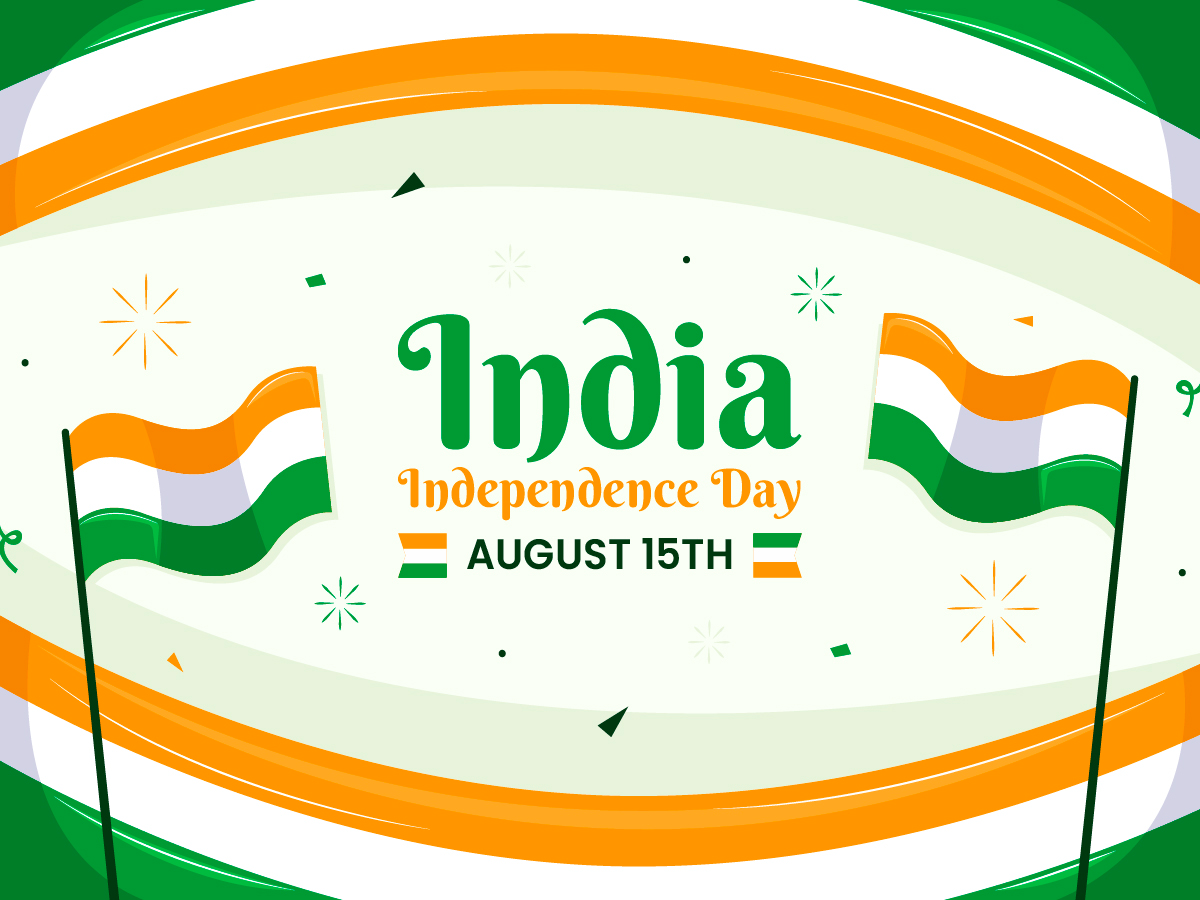
- The Tricolor Flag: The Indian national flag, the tricolor, was adopted on July 22, 1947. It consists of three horizontal stripes of different colors: saffron at the top, white in the middle with a blue Ashoka Chakra, and green at the bottom. Each color represents different ideals: saffron for courage and sacrifice, white for peace and truth, and green for faith and chivalry.
- First Prime Minister’s Speech: Jawaharlal Nehru, the first Prime Minister of India, delivered the famous “Tryst with Destiny” speech on the eve of Independence. This speech is considered one of the greatest speeches of the 20th century.
- Red Fort Ceremony: The tradition of hoisting the national flag at the Red Fort in Delhi was started by Jawaharlal Nehru on August 15, 1947, and has continued every year since then.
- National Anthem: The Indian national anthem, “Jana Gana Mana,” was adopted by the Constituent Assembly on January 24, 1950. It was composed by Rabindranath Tagore.
Conclusion
India Independence Day is a day of immense pride and joy for every Indian. It is a reminder of the sacrifices made by our ancestors and the responsibilities we have as citizens of a free nation. As we celebrate this day, let us pledge to uphold the values of freedom, equality, and justice, and work towards the betterment of our country.